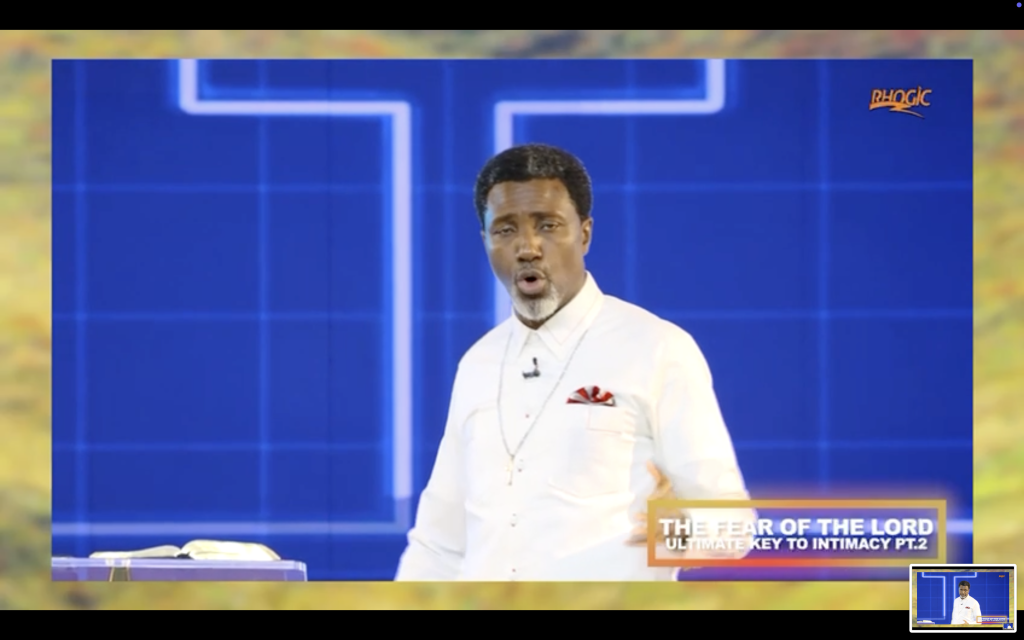


True repentance is, first and foremost, a gift from God, a work of grace that initiates a profound transformation within us. It begins as a fundamental re-evaluation of our lives and deeply held beliefs against the truth of God’s Word. This is not merely feeling sorry for the consequences of sin, but an active change of mind that leads to a turning away from it. At its core, true repentance requires the humility to cease relying on our own limited wisdom and understanding, and to instead fully submit to the authority and wisdom revealed in God’s word. This process is inherently difficult because it runs directly counter to our human pride, our ingrained prejudices, and our desire to maintain control and comprehension. It demands faith; a decision to trust and believe in God’s character and promises in spite of our limitations and unanswered questions.
Deuteronomy 31:8 - And the LORD, he it is that doth go before thee; he will be with thee, he will not fail thee, neither forsake thee: fear not, neither be dismayed. (KJV)
Tragically, many who identify as Christians have never experienced this foundational surrender, never truly yielded to the absolute lordship of Jesus Christ, and thus have missed the transformative power that accompanies genuine repentance. The magnificent hope of the gospel, however, is that no one is beyond its reach. Regardless of your past, the weight of your sins, or the vices that have held you captive, true repentance opens the door to radical redemption. It is a journey that starts with the honest confession of our need but does not end there; it culminates in a lasting change of attitude, allegiance, and action. When we truly repent, God, in His mercy, blesses our present with His forgiveness and grace, and irrevocably changes our future for eternity.